
Women who cross the border every day.
Rubavu District, on the shore of Lake Kivu
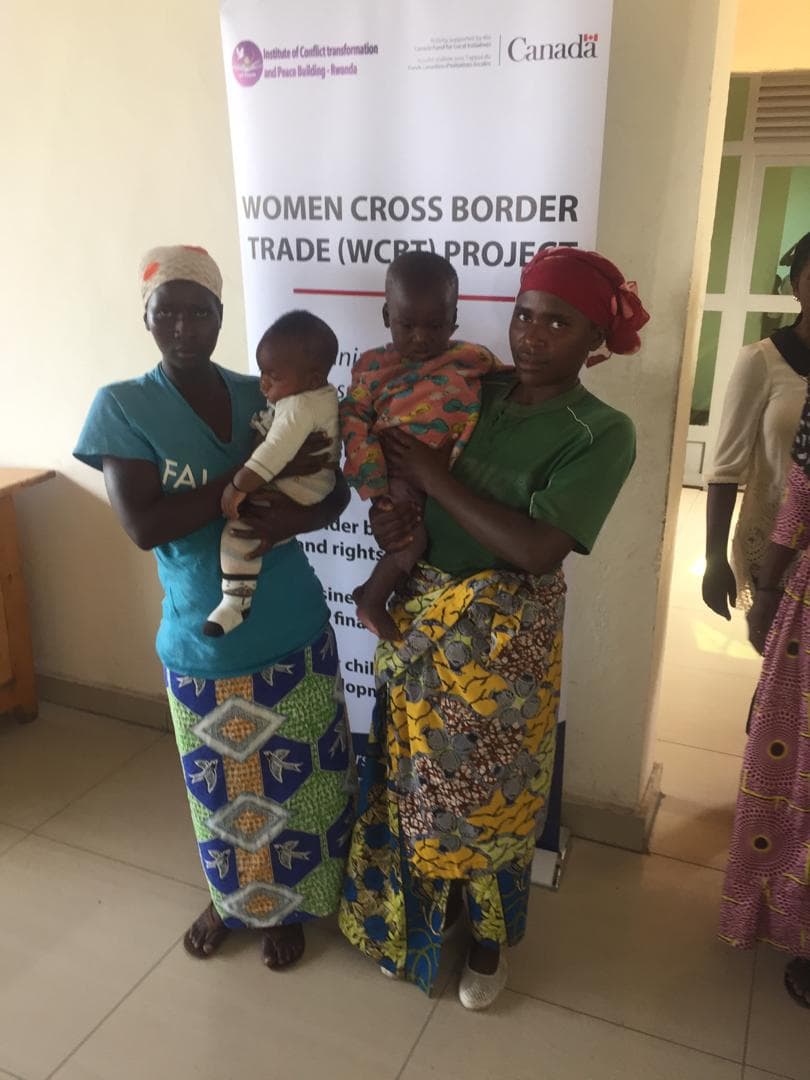
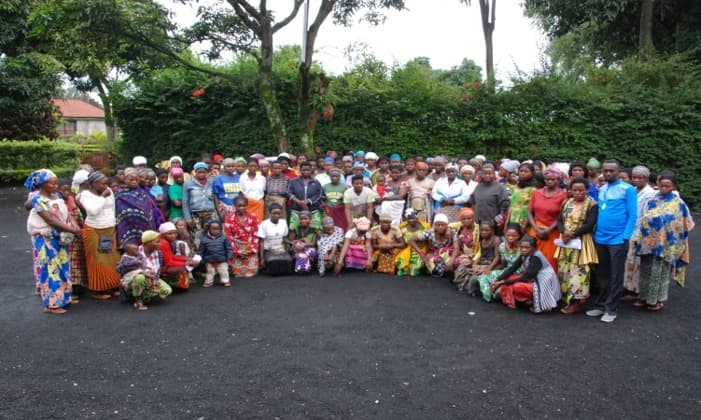
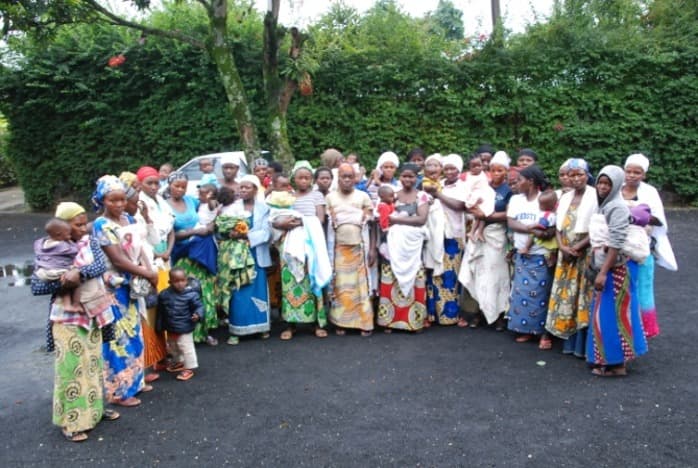
In Rubavu the border with Goma is crossed on foot. Every day women cross it with goods on their heads and, often, a child on their back. Their trade is informal, and it is where they are most exposed. This is who we work with.
Rubavu is a Francophone border. This page was written in French first.
Three strands
Cross-border trade and violence against women
Training in financial literacy, in preventing gender-based violence, in human rights, and in the protocols of cross-border trade: what a trader is entitled to at the crossing, and what she is not.
Agents of Peace and Security
Women trained to advocate against violence in their own communities, and named for it.
Human rights campaigns
Awareness campaigns on human rights, for the women and for the communities they trade in.
What we can say, and what we cannot yet
This page will carry the programme's numbers when the foundation has verified them. Until then it carries none.
- 760 women trained
- Over the past seven years
- TKTK: sectors of Rubavu District
- TKTK: funder of each strand
- TKTK: what changed, with the women's consent
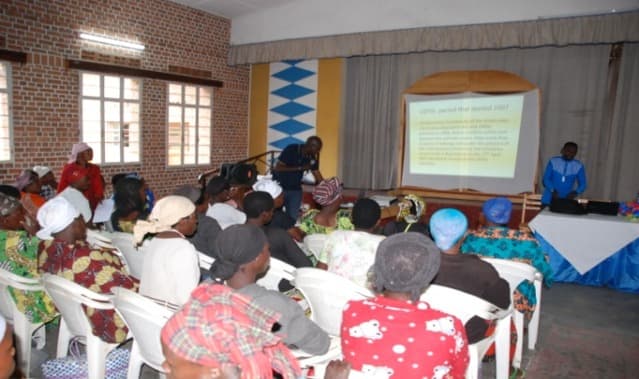
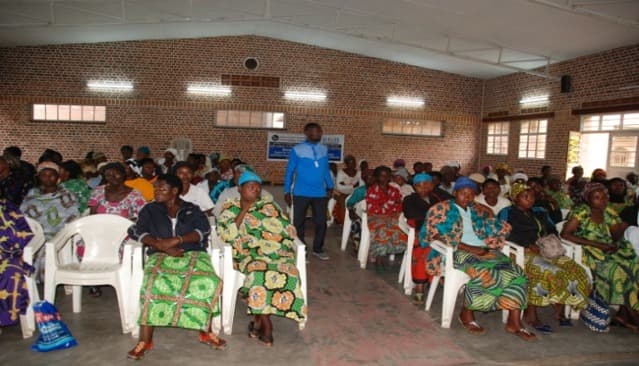
From the sessions
If you represent an institution
A ministry, a federation, an embassy, a fund: the five-year plan and the formal ask are on the Partner page, with the logframe and the registration.
If you are one person
The Give page shows what a day at Life School costs, and takes a card.